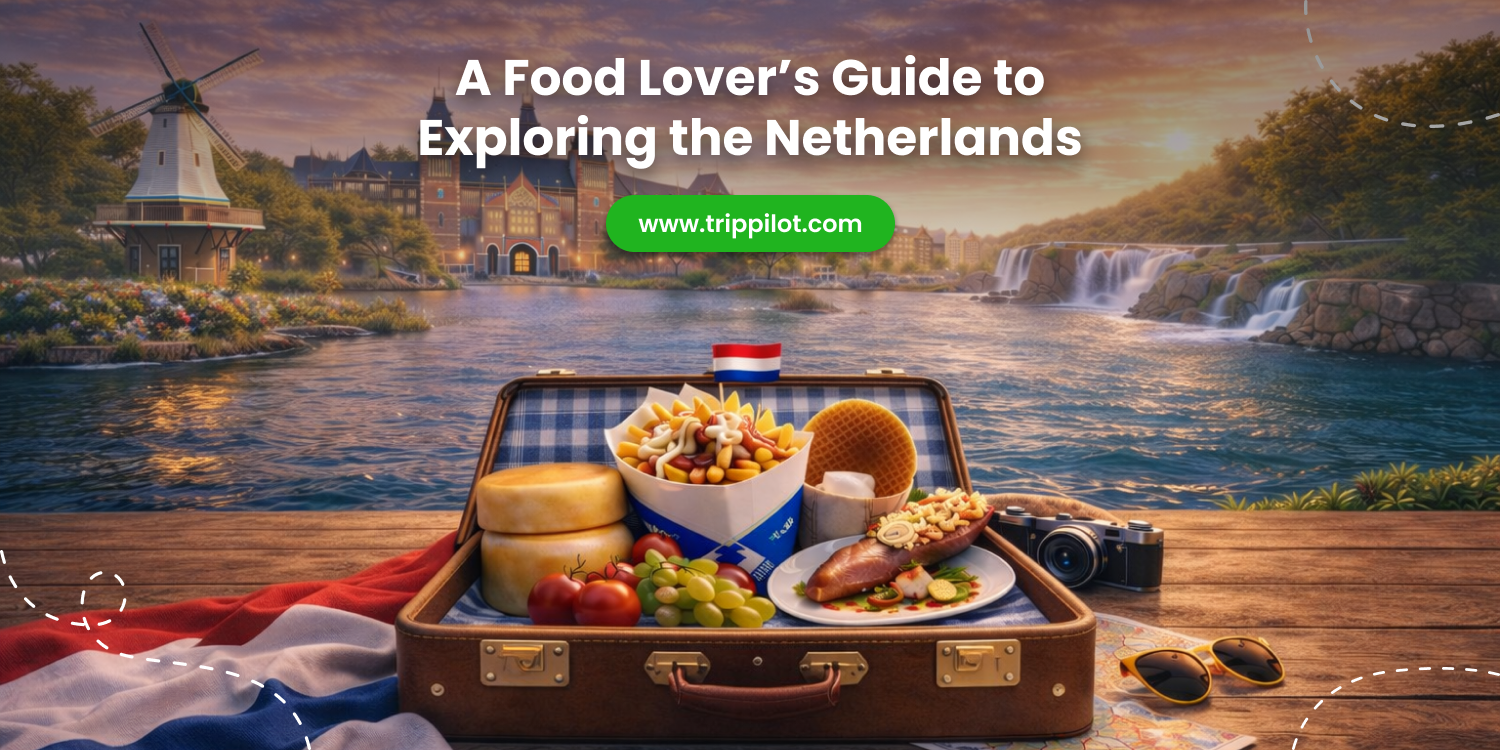
The first bite often tells you more about a country than a museum ever could. In the Netherlands, that bite might be a hot, crispy stroopwafel snapped open over steam, a cone of golden fries drowned in satay sauce, or impossibly fresh herring eaten the local way, tail lifted, eyes closed, no shame. Dutch cuisine is understated, seasonal, and deeply tied to geography, trade routes, and daily life. Yet for many travelers, it remains surprisingly unexplored.
This guide is designed for curious eaters who want to go beyond clichés and experience the Netherlands through its kitchens, markets, cafés, bakeries, and fine-dining tables. Whether you’re hopping between Amsterdam and Rotterdam or wandering into lesser-known food regions, the travel planner curates your meals with the same care as your must-see sights, optimizing routes, timing, and budgets so every bite blends seamlessly into your journey.
Key Takeaways
- Discover iconic Dutch foods and where to eat them like a local
- Explore regional specialties beyond Amsterdam’s tourist core
- Learn cultural dining etiquette, food timings, and market norms
- Save time and money by planning food-focused routes with TripPilot
- Balance street food, cafés, and Michelin-star dining effortlessly
Understanding Dutch Food Culture Before You Eat
Dutch cuisine is shaped by pragmatism, trade, and seasonality. Meals are simple, ingredients-driven, and historically designed for nourishment rather than show. Breakfasts and lunches are often light, often bread with cheese or a sweet spread,s while dinner is the main hot meal of the day, usually eaten early by international standards.
Markets, bakeries, and snack bars play a bigger role in everyday eating than restaurants. Knowing this rhythm helps travelers plan smarter food experiences.
With a personal travel planner, you can align food stops with local dining hours, market days, and neighborhood specialties so you’re never searching for meals at the wrong time or missing the best ones entirely.
Stroopwafels: The Sweet Symbol of the Netherlands
A fresh stroopwafel is a completely different experience from the prepackaged versions stacked on airport shelves. When made fresh, two delicate waffle discs are baked until lightly crisp, then split and filled with rich, warm caramel syrup. The aroma alone, sweet, buttery, and slightly toasted, sets it apart. What truly defines the experience is timing: the stroopwafel is at its absolute best just moments after it’s assembled, when the caramel center is still molten and gently oozes with every bite. The waffles remain soft and tender, balancing the gooey sweetness inside. Each mouthful delivers warmth, texture, and depth of flavor that packaged versions simply can’t replicate. Eating a fresh stroopwafel is not just a snack; it’s a small ritual, capturing the comfort and craftsmanship of traditional street-side baking in the Netherlands.
Local context and culture:
Stroopwafels originated in Gouda in the 19th century as a baker’s way to reuse crumbs and syrup. Today, they’re a national obsession.
Where to try them:
- Albert Cuyp Market (Amsterdam)
- Gouda town center markets
- Rotterdam Markthal vendors
Travel tips:
Go mid-morning when stalls are busiest, and waffles are freshest. Expect to pay slightly more for made-to-order versions, which are worth every cent.
TripPilot maps markets into your sightseeing route, ensuring you hit them when vendors are active, and queues move fast, how it revolutionizing the travel planner
Raw Herring (Haring): A Cultural Rite of Passage
Eating raw herring topped with onions and pickles may sound intimidating at first, but it’s one of the most authentic and time-honored food experiences in the Netherlands. Known locally as Hollandse Nieuwe, this delicacy is enjoyed fresh during herring season, when the fish is lightly cured and incredibly tender. The flavor is surprisingly mild and buttery rather than “fishy,” especially when balanced with sharp chopped onions and tangy pickles. Traditionally, it’s eaten by holding the herring by the tail and taking bites from the top down, though many locals also enjoy it served in pieces. Beyond taste, trying raw herring is a cultural ritual, connecting you to centuries of Dutch maritime history and everyday life. It’s the kind of experience that pushes you gently out of your comfort zone and rewards you with a deeper understanding of local traditions. One bite, and hesitation often turns into appreciation.
Local context:
Dutch herring is lightly cured, not raw in the sushi sense. It’s especially prized during the Hollandse Nieuwe season (late spring to early summer).
How locals eat it:
By holding the fish by the tail and lowering it into the mouth, though, sandwiches are common for visitors.
Travel tips:
Look for stalls flying Dutch flags, a sign of freshness. Avoid late afternoons when supply dwindles.
Custom itinerary service highlights seasonal food experiences and alerts you when herring season overlaps with your travel dates.
Dutch Fries (Patat): A Sauce-Lover’s Dream
Dutch fries are a beloved street food, known for their thick-cut shape and satisfying crunch. They are traditionally fried twice, which gives them a golden, crispy exterior while keeping the inside soft and fluffy. Served hot in tall paper cones, these fries are meant to be enjoyed on the go. What truly sets them apart is the generous selection of sauces, from classic mayonnaise to peanut satay, curry ketchup, or special house blends. Each cone is often overflowing, making it both indulgent and filling. Simple yet iconic, Dutch fries reflect the country’s love for comforting, no-frills food done exceptionally well.
Popular sauces to try:
- Mayonnaise (richer than most international versions)
- Satay (peanut-based, Indonesian influence)
- Oorlog (a mix of mayo, satay, and onions)
Local context:
Fries are a social food grabbed after work, between drinks, or as late-night fuel.
Travel tips:
Order from dedicated fry shops (friteries), not fast-food chains. Portions are generous; one cone can feed two.
TripPilot recommends highly rated food destinations perfect for spontaneous cravings.
Cheese Beyond Gouda: Exploring Dutch Cheesemaking Regions
The Netherlands is one of the world’s most celebrated cheese producers, yet many travelers experience only a small glimpse of its rich dairy tradition. Dutch cheese culture goes far beyond familiar supermarket wheels, rooted in centuries of craftsmanship, regional pride, and time-honored techniques. From bustling local markets to small family-run farms, cheese is woven into everyday life and national identity. Each region offers distinct flavors, textures, and aging styles that reflect its landscape and history. Exploring Dutch cheese properly means tasting beyond the obvious, learning the stories behind each variety, and appreciating how deeply this culinary heritage shapes the country’s food culture.
Key cheeses to know:
- Gouda (young to aged)
- Edam (milder, slightly salty)
- Leyden (spiced with cumin)
Where to experience cheese culture:
- Alkmaar Cheese Market
- Edam weekly markets
- Small farm dairies in North Holland
Travel tips:
Markets are seasonal and often held only once a week. Arrive early for demonstrations.
TripPilot syncs your itinerary with market schedules and suggests nearby towns to pair with cheese experiences.
Indonesian Influence: The Rijsttafel Experience
Indonesia’s colonial past has deeply influenced Dutch cuisine, leaving behind a rich culinary legacy. The most iconic expression of this connection is the rijsttafel, or “rice table,” a feast of diverse Indonesian dishes served together.
What it is:
A feast of small dishes, meats, vegetables, sambals, and rice served all at once.
Why it matters:
It reflects centuries of cultural exchange and remains one of the Netherlands’ most complex dining traditions.
Travel tips:
Book ahead for popular Indonesian restaurants, especially in Amsterdam and The Hague.
AI travel Planner flags high-demand restaurants and suggests optimal dining times to avoid long waits.
Regional Specialties Worth Traveling For
Dutch cuisine varies subtly from region to region, offering distinct flavors and local specialties that reveal themselves to travelers willing to explore beyond the major cities.
Friesland:
Try sugar bread and dairy-rich desserts.
Zeeland:
Seafood reigns supreme especially mussels and oysters.
Limburg:
Known for vlaai, a fruit-filled tart unlike anything else in the country.
Travel tips:
Public transport connects regions well, but food-focused detours require planning.
TripPilot builds multi-city trip routes and Multi-city food stops, balancing transit time with culinary payoff.
Bakeries, Cafés, and Everyday Dutch Eating
Dutch bakeries are quiet treasures. Expect excellent bread, apple pie, and seasonal pastries.
Local habits:
Coffee is social but brief. Lingering for hours is less common than in southern Europe.
Travel tips:
Order appeltaart with whipped cream, it’s a classic pairing.
TripPilot recommends neighborhood bakeries based on time of day and walking distance from attractions.
Fine Dining and Michelin Stars in the Netherlands
The Netherlands punches above its weight in fine dining, with innovative chefs focusing on sustainability and local sourcing.
What makes it special:
Dutch fine dining emphasizes restraint, balance, and seasonal ingredients over extravagance.
Cities to watch:
Amsterdam, Rotterdam, and countryside restaurants with destination status.
Travel tips:
Lunch menus often offer better value than dinner.
TripPilot balances fine dining with casual meals, keeping your food budget realistic without sacrificing quality.
Frequently Asked Questions
What is the best food city in the Netherlands?
Amsterdam offers the widest variety, but Rotterdam and The Hague excel in multicultural and seafood dining. Smaller towns shine in regional specialties.
Are Dutch food markets cash-only?
Most accept cards, but some smaller stalls prefer cash. Carry a small amount of euros for convenience.
Is tipping expected in Dutch restaurants?
Tipping is appreciated but not mandatory. Rounding up or leaving 5–10% is considered generous.
Are there good vegetarian options in the Netherlands?
Yes. Dutch cities are very vegetarian- and vegan-friendly, with plant-based versions of traditional dishes widely available.
Conclusion
Exploring the Netherlands through food reveals a country shaped by water, trade, and quiet creativity. From humble market snacks to refined Michelin experiences, Dutch cuisine rewards travelers who pay attention to timing, place, and tradition. With TripPilot’s AI-powered planning, food becomes more than a side activity it becomes the backbone of a smarter, richer journey.
Share


Search Blogs
Categories
Recent Posts





Subscribe to our Newsletter!
Related Post

 Food and Culture
Cultural Experiences in Mauritius: Markets, Festivals & Traditions
 Food and Culture