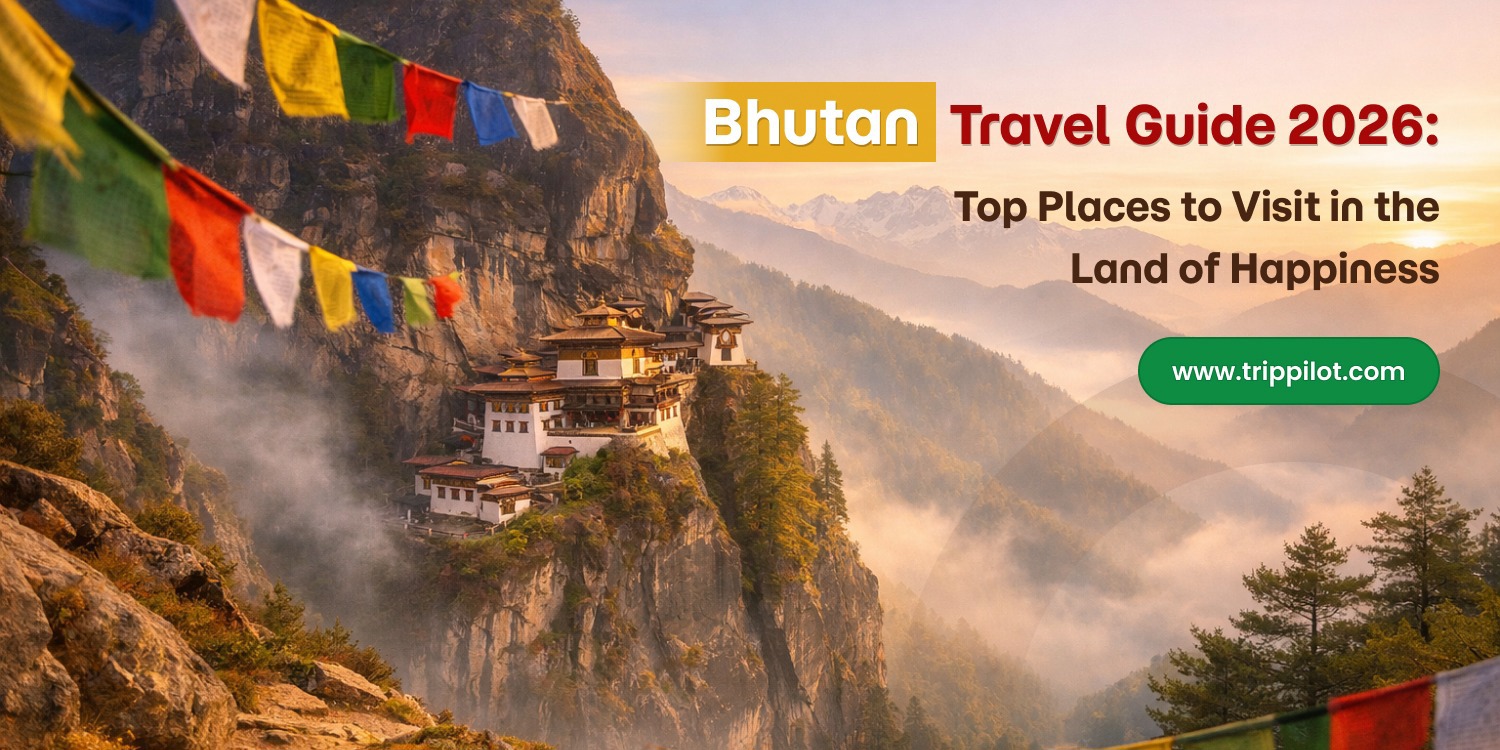
The first breath you take in Bhutan feels different, crisper, calmer, almost sacred. As your plane glides into Paro, surrounded by towering Himalayan peaks, prayer flags flutter in the wind, and monasteries cling to cliffs like timeless guardians. But here’s the reality most travelers face: Bhutan isn’t a plug-and-play destination. Strict travel policies, limited accommodations, and hidden routes can turn excitement into confusion.
That’s exactly why modern travelers are turning to TripPilot an AI-powered travel planner that transforms complex trips into seamless, personalized journeys. From optimizing routes to aligning your trip with festivals and weather, it helps you experience Bhutan the way it’s meant to be.
Key Takeaways
- Explore Bhutan’s top destinations and hidden valleys with expert insights
- Follow a smart 7-day itinerary designed for first-time travelers
- Understand travel costs, permits, and visa rules for 2026
- Learn local etiquette and cultural nuances for a respectful journey
- Use TripPilot AI to personalize routes, save time, and avoid planning errors
Table of Contents
Bhutan Travel Guide 2026: Best Places, Itinerary & Tips
- Paro Taktsang – A Journey Worth Every Step
- Thimphu – Where Tradition Meets Modern Bhutan
- Punakha – Bhutan’s Most Scenic Escape
- Phobjikha Valley – The Hidden Gem of Bhutan
- Bumthang Valley – Bhutan’s Spiritual Core
Bhutan Travel Guide 2026: Best Places, Itinerary & Tips
Discover the serene beauty of Bhutan, where happiness is valued as much as progress. Explore iconic destinations like Paro, home to the breathtaking Tiger’s Nest Monastery, and the charming capital Thimphu. A well-planned itinerary includes scenic valleys, ancient dzongs, and vibrant festivals. Travel tips for 2026 include booking through licensed operators, respecting local customs, and preparing for high-altitude conditions. Whether you seek cultural immersion or nature escapes, Bhutan offers a peaceful, authentic Himalayan experience unlike any other destination.
Paro Taktsang – A Journey Worth Every Step
If there’s one place that defines Bhutan, it’s Tiger’s Nest Monastery. The hike begins quietly through pine forests, with prayer wheels spinning softly in the wind. As you climb higher, the monastery slowly reveals itself perched dramatically on a cliff, almost defying gravity.
What Makes It Unforgettable
- Deep spiritual significance tied to Guru Rinpoche
- Panoramic Himalayan views at every turn
- A sense of achievement upon reaching the summit
Insider Travel Tips
- Start before sunrise for fewer crowds and golden light
- Carry water and pace yourself—altitude matters
- The cafeteria viewpoint halfway is perfect for rest
AI travel planner analyzes your weather conditions and travel pace to suggest the ideal hiking schedule—making the experience safer and more enjoyable.
Thimphu – Where Tradition Meets Modern Bhutan
Thimphu isn’t your typical capital city. Thimphu has a unique culture to experience. There are no traffic lights, only human-controlled intersections, and the rhythm of life feels intentionally slow.
Top Experiences
- Visit Buddha Dordenma, overlooking the valley
- Explore local handicrafts at weekend markets
- Discover Bhutanese heritage at museums
Cultural Insight
Bhutan’s philosophy of Gross National Happiness isn’t just a concept it’s embedded in daily life, from architecture to governance.
Food You Must Try
- Ema Datshi (chili cheese stew)
- Momos (dumplings)
TripPilot builds personalized food trails and cultural routes, ensuring you experience both iconic and lesser-known spots.
Punakha – Bhutan’s Most Scenic Escape
Driving from Thimphu to Punakha is an experience in itself, especially when crossing Dochula Pass with its 108 stupas.
Why Punakha Stands Out
- Home to the stunning Punakha Dzong
- Warmer climate compared to other regions
- Adventure activities like river rafting
Local Insight
Visit during spring to see jacaranda trees blooming around the dzong—it’s one of Bhutan’s most photogenic moments.
Travel Tips
- Carry light layers (warmer than Paro/Thimphu)
- Combine sightseeing with river activities
Personalized travel itinerary recommends scenic stops, timing, and local guides, helping you maximize your journey.
Phobjikha Valley – The Hidden Gem of Bhutan
Phobjikha Valley feels untouched by time. Wide open landscapes, grazing yaks, and crisp mountain air create a sense of complete tranquility.
Unique Experiences
- Spot black-necked cranes (winter migration)
- Stay in eco-lodges and farmhouses
- Enjoy slow travel and nature walks
Best Time to Visit
October to February for wildlife lovers
TripPilot integrates seasonal wildlife tracking and eco-stay recommendations, helping you travel sustainably.
Bumthang Valley – Bhutan’s Spiritual Core
Bumthang is where Bhutan’s spiritual roots run deepest. Temples here aren’t just monuments—they’re living centers of faith.
Highlights
- Jambay Lhakhang (one of Bhutan’s oldest temples)
- Kurjey Lhakhang (sacred pilgrimage site)
Cultural Experience
Attend a local festival (tshechu) where masked dances tell ancient stories.
Expert Tip
Plan your visit around festival dates for a richer experience.
TripPilot aligns your itinerary with festival calendars and cultural events, ensuring you don’t miss these rare experiences.
Smart 7-Day Bhutan Itinerary (Optimized with AI)
Day 1–2: Paro Immersion
- Arrival and acclimatization
- Tiger’s Nest hike
- Evening cultural walk
Day 3: Thimphu Exploration
- Scenic drive to Thimphu
- Buddha Dordenma and local markets
Day 4–5: Punakha Adventure
- Cross Dochula Pass
- Visit Punakha Dzong
- Optional rafting
Day 6: Phobjikha Retreat
- Nature walks and crane spotting
- Eco-lodge stay
Day 7: Return to Paro
- Souvenir shopping
- Relaxation before departure
Why This Itinerary Works
- Balanced pace to avoid altitude fatigue
- Covers both popular and hidden destinations
- Optimized travel routes
TripPilot dynamically adjusts your custom itinerary service based on:
- Weather forecast
- Travel speed
- Accommodation availability
Best Time to Visit Bhutan (2026 Insights)
- Spring (March–May): Best for landscapes and trekking
- Autumn (Sept–Nov): Peak season with festivals
- Winter (Dec–Feb): Fewer crowds, clear skies
- Monsoon (Jun–Aug): Budget-friendly but rainy
Travel Insight: Bhutan tourism is expected to grow steadily in 2026 due to increased interest in sustainable travel, making early planning essential.
TripPilot helps you identify things to know before visiting Bhutan and the perfect travel window based on your preferences.
Bhutan Travel Cost Breakdown (2026)
- Sustainable Development Fee: ~$100/day
- Average daily budget: $200–$300
- Includes accommodation, meals, guide, transport
Smart Money Tips
- Travel during shoulder seasons
- Book early for better deals
- Choose bundled packages
TripPilot compares options and suggests cost-efficient itineraries, helping you stay within budget.
Cultural Etiquette & Responsible Travel
Bhutan values respect for people, culture, and nature.
Essential Etiquette
- Dress modestly in religious sites
- Remove shoes before entering temples
- Avoid pointing at sacred objects
Responsible Travel Tip
Support local businesses and eco-lodges to contribute to Bhutan’s sustainable tourism model.
Custom travel planner includes real-time cultural tips and reminders, helping you travel responsibly.
Frequently Asked Questions
Is Bhutan expensive for tourists in 2026?
Yes, Bhutan follows a high-value tourism model, but it ensures a premium, crowd-free experience.
Do Indians need a visa for Bhutan?
Indian travelers don’t need a visa but must carry valid ID and permits.
How many days are enough for Bhutan?
A 5–7 day itinerary is ideal for first-time visitors.
Is Bhutan safe for solo travel?
Yes, Bhutan is extremely safe, even for solo travelers.
What is the best time to visit Bhutan for festivals?
Autumn (September–November) is best for major festivals.
Conclusion
Bhutan isn’t just a place you visit, it’s a place that stays with you. From the spiritual calm of monasteries to the untouched beauty of its valleys, every experience feels deeply intentional.
But to truly experience Bhutan, planning matters—and that’s where smart tools make all the difference.
Share


Search Blogs
Categories
Recent Posts




Subscribe to our Newsletter!
Related Post
_900x450.png)
 Places to Visit
12 Best Caribbean Beaches To Visit
 Places to Visit
5 Secret Places in Sri Lanka You Need to Add to Your Travel Itinerary
 Places to Visit
10 Best Beaches in Sydney You Must Visit: A Complete Coastal Guide
 Places to Visit
Discover Thailand’s Hidden Gems: 10 Secret Places You Need to Visit Beyond the Tourist Trail
 Places to Visit
10 Must Visit Places in Brazil
 Places to Visit
10 Best Islands of France You Must Visit for a Perfect Getaway
 Places to Visit