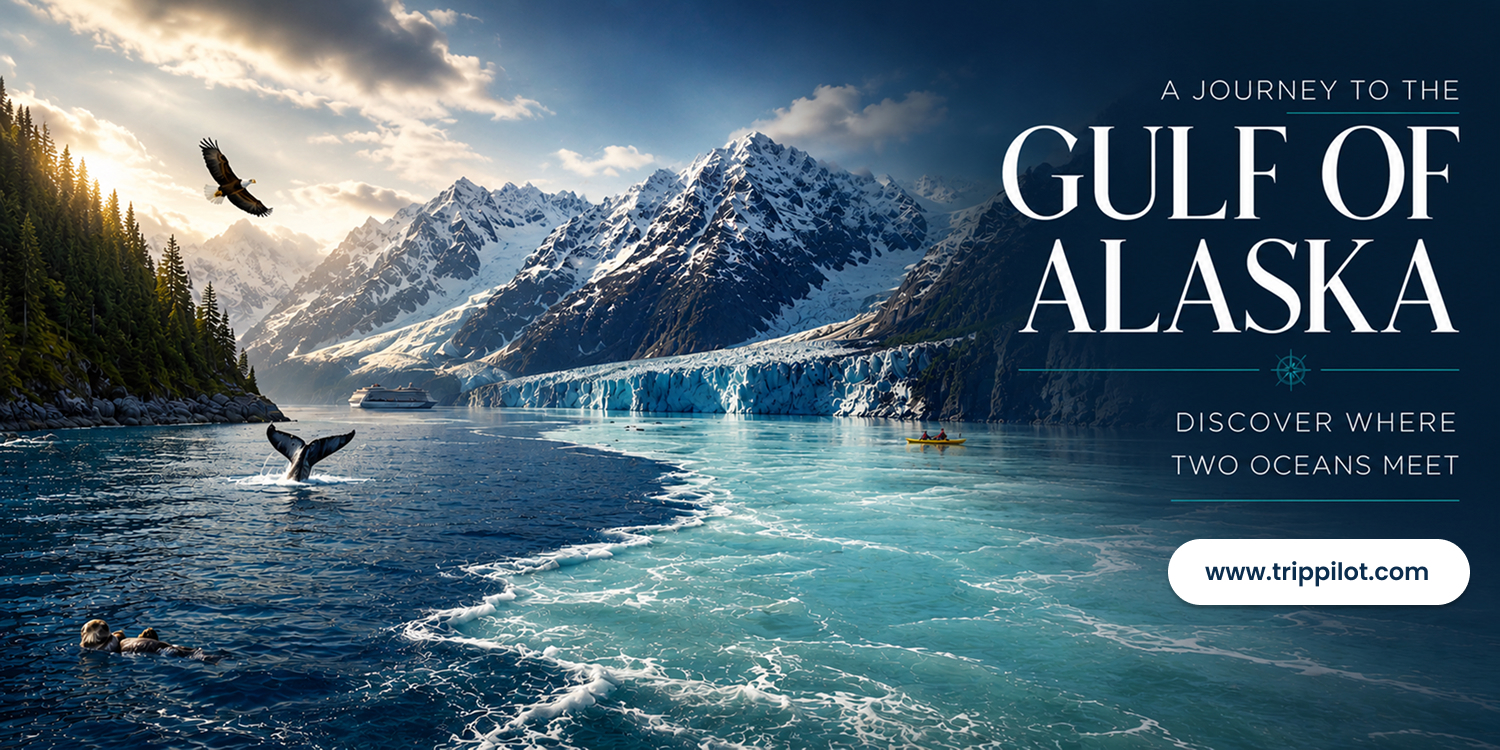
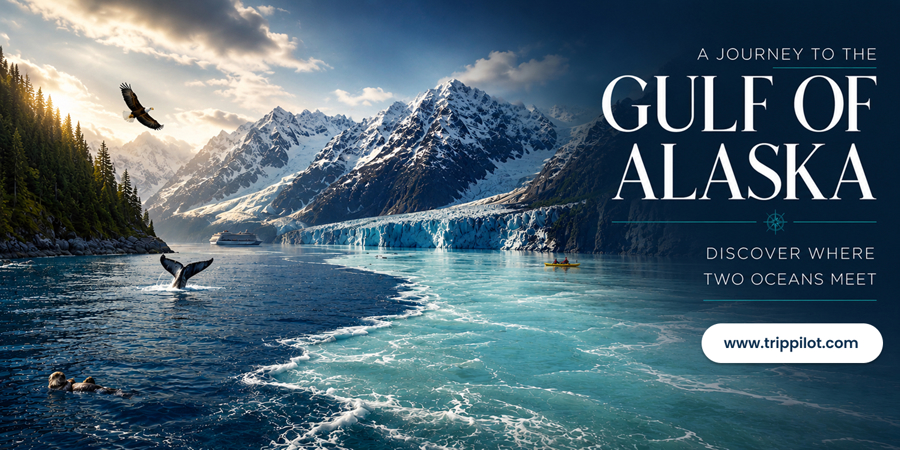
The first time you witness the waters of the Gulf of Alaska, it feels almost unreal. Vast stretches of icy blue ocean collide with glacier-fed currents, creating mesmerizing patterns that seem painted by nature itself. Travelers often describe this moment as watching two worlds merge where the Pacific Ocean meets freshwater runoff from massive Alaskan glaciers. It is raw, dramatic, and unforgettable.
Yet planning a journey through Alaska can feel overwhelming. Distances are huge, weather changes rapidly, and choosing between glaciers, wildlife cruises, fishing towns, and scenic highways is no easy task. That’s where smart planning becomes essential. Using an AI-powered travel assistant like TripPilot can simplify the entire experience by helping travelers build personalized itineraries, optimize routes, discover hidden gems, and adapt plans based on weather or travel style.
The Gulf of Alaska isn’t just a destination it’s an expedition into one of the world’s last great wildernesses.
Key Takeaways
- Discover why the Gulf of Alaska is famous as the place “where two oceans meet”
- Learn the best time to visit Alaska for glaciers, wildlife, and cruises
- Explore iconic destinations like Kenai Fjords, Seward, and Prince William Sound
- Get local travel tips for weather, transportation, and budget planning
- Understand how AI-powered planning with TripPilot saves time and improves your itinerary
- Find hidden experiences beyond standard Alaska cruise routes
Why the Gulf of Alaska Captivates Travelers
The Gulf of Alaska stretches along Alaska’s southern coastline, bordered by towering mountains, ancient glaciers, and dense evergreen forests. It is one of the most scenic marine regions in North America and a dream destination for nature lovers, photographers, adventure seekers, and cruise travelers.
What makes this region especially fascinating is the visual phenomenon often shared online as “where two oceans meet.” While technically these are not separate oceans refusing to mix, the effect comes from glacial silt, freshwater runoff, and varying salinity levels creating distinct water colors and textures. The result is breathtaking.
The Gulf is also home to incredible biodiversity. During peak travel months, visitors commonly spot humpback whales, sea otters, puffins, bald eagles, seals, and even orcas.
For travelers seeking immersive nature experiences, few places on Earth compare.
Best Time to Visit the Gulf of Alaska
Timing can dramatically shape your Alaskan adventure.
Summer (June to August)
Summer is the most popular season because of:
- Long daylight hours
- Mild temperatures
- Peak wildlife activity
- Glacier cruises and kayaking
- Better road accessibility
Average temperatures range from 10°C to 18°C, making it ideal for outdoor exploration.
This is also the best time for:
- Whale watching
- Scenic train journeys
- Fishing charters
- National park visits
Shoulder Season (May and September)
Travelers looking for fewer crowds and lower prices often choose May or September.
Benefits include:
- Better hotel deals
- Less crowded cruises
- Fall colors in September
- Excellent photography conditions
However, some tours and remote attractions may operate on reduced schedules.
Winter (October to April)
Winter transforms the Gulf into a dramatic frozen wilderness. While some cruise services pause operations, winter travelers enjoy:
- Northern Lights opportunities
- Snow-covered mountains
- Quiet coastal towns
- Winter wildlife tours
This season is best suited for experienced cold-weather travelers.
TripPilot can help travelers compare seasonal conditions, help to plan the best time cruise to Alaska and budget considerations before booking.
Top Places to Explore Around the Gulf of Alaska
Seward: Alaska’s Adventure Gateway
Seward is one of the most popular entry points to the Gulf of Alaska and an excellent base for exploration.
Highlights include:
- Kenai Fjords National Park
- Glacier cruises
- Kayaking adventures
- Marine wildlife tours
- Scenic hiking trails
The town itself feels charming and authentic, with local seafood restaurants, fishing culture, and mountain views everywhere you turn.
Travel Tip:
Book glacier cruises early during summer months because tours often sell out quickly.
TripPilot helps travelers compare tour schedules, estimate travel times, and organize multi-day Alaska routes efficiently.
Prince William Sound
Prince William Sound is famous for calm waters, tidewater glaciers, and marine wildlife.
Travelers often experience:
- Massive icebergs
- Sea kayaking
- Orca sightings
- Glacier trekking
- Photography tours
The scale of nature here feels almost cinematic.
Many visitors take day cruises from Whittier, a small coastal town connected to Anchorage through the Anton Anderson Memorial Tunnel.
Local Insight:
Morning tours often provide calmer waters and better wildlife visibility.
Kenai Fjords National Park
Kenai Fjords National Park showcases some of Alaska’s most dramatic glacier landscapes.
The Harding Icefield feeds dozens of glaciers across the park, creating spectacular scenery year-round.
Popular activities include:
- Boat tours
- Glacier viewing
- Hiking
- Wildlife photography
- Icefield exploration
This national park perfectly combines marine adventure with mountain wilderness.
Travelers using TripPilot can build personalized custom itineraries that combine Seward, Kenai Fjords, Anchorage, and Denali into one seamless journey.
Anchorage: The Urban Gateway to Alaska
Anchorage blends urban convenience with easy access to Alaska’s wilderness.
Many travelers fly into Anchorage before continuing south toward the Gulf.
Top experiences include:
- Alaska Native cultural centers
- Local seafood markets
- Scenic rail journeys
- Nearby glacier tours
- Wildlife conservation centers
Anchorage also offers practical advantages:
- Better hotel selection
- Rental car availability
- Lower transportation complexity
For first-time Alaska travelers, starting in Anchorage often makes logistics much easier.
Experiencing Alaska by Cruise
Alaska cruises remain one of the most popular ways to experience the Gulf of Alaska.
Cruise travelers enjoy:
- Glacier viewing from the ship
- Wildlife spotting
- Scenic fjords
- Coastal towns
- Excursions without constant packing
Popular cruise routes often connect:
- Vancouver
- Seward
- Whittier
- Juneau
- Hubbard Glacier
Cruise Planning Tips
Choose Cabin Location Carefully
Midship cabins reduce motion sickness during rough waters.
Pack Waterproof Layers
Alaska weather changes quickly, even during summer.
Book Excursions Early
Popular tours like helicopter glacier landings can fill months ahead.
Budget Beyond Cruise Costs
Excursions, gratuities, and specialty dining can significantly increase expenses.
Custom travel planner helps travelers compare cruise extensions, land tours, and local transportation to create balanced itineraries.
Wildlife Encounters in the Gulf of Alaska
One of the biggest reasons travelers visit Alaska is wildlife.
The Gulf of Alaska ecosystem supports:
- Humpback whales
- Orcas
- Sea lions
- Puffins
- Brown bears
- Bald eagles
- Otters
Whale Watching
Peak whale watching season typically runs from May through September.
Travelers often spot:
- Breaching humpbacks
- Feeding pods
- Tail slaps
- Bubble-net feeding behavior
Responsible operators maintain safe viewing distances to protect marine life.
Bear Viewing
Coastal Alaska offers incredible opportunities to safely observe bears in natural habitats.
Guided tours are strongly recommended.
Local Advice:
Carry binoculars and layered clothing even during sunny weather.
Food Experiences Along the Gulf of Alaska
Alaska’s coastal cuisine is deeply tied to the ocean.
Must-try dishes include:
- Wild Alaskan salmon
- Halibut fish and chips
- King crab
- Reindeer sausage
- Smoked seafood chowder
Local Dining Tips
- Seafood quality is often best in smaller coastal towns
- Seasonal catches influence restaurant menus
- Reservations are recommended during cruise season
- Tipping customs follow general U.S. standards
Travelers using TripPilot can discover local restaurants based on cuisine preferences, budget-friendly travel and route optimization.
Transportation Tips for Exploring Alaska
Alaska’s vast geography requires strategic planning.
Rental Cars
Ideal for:
- Flexible road trips
-
Scenic highway exploration
-
Independent travelers
However:
- Fuel stops can be limited
- Weather conditions change rapidly
Alaska Railroad
Alaska Railroad offers one of North America’s most scenic rail journeys.
Popular routes connect:
- Anchorage
- Seward
- Denali
- Fairbanks
The train experience itself becomes part of the adventure.
Small Flights
Bush planes and regional flights provide access to remote wilderness areas inaccessible by road.
TripPilot helps travelers coordinate transport timing, scenic routes, and overnight stays efficiently.
Sustainable Travel in the Gulf of Alaska
Alaska’s ecosystems are fragile and increasingly impacted by climate change.
Responsible travel practices include:
- Supporting local businesses
- Reducing plastic waste
- Respecting wildlife distances
- Booking eco-conscious tours
- Staying on marked trails
Many glacier regions have visibly changed over recent decades due to warming temperatures.
Travelers who visit responsibly help preserve these landscapes for future generations.
How TripPilot Makes Alaska Travel Easier
Planning Alaska independently can involve:
- Complex logistics
- Weather considerations
- Seasonal limitations
- Expensive mistakes
TripPilot simplifies the process through AI-powered itinerary building.
Benefits include:
- Personalized travel routes
- Smart budgeting
- Destination recommendations
- Activity optimization
- Multi-city planning
- Time-saving automation
Whether planning a cruise extension, wildlife road trip, or photography expedition, TripPilot adapts itineraries to travel style and priorities and explores 6 days Alaska trip.
Frequently Asked Questions
Is the Gulf of Alaska really where two oceans meet?
The visual effect comes from freshwater glacial runoff mixing with ocean water, creating distinct colors and sediment patterns. While it’s often described as “two oceans meeting,” it’s primarily a mixing phenomenon caused by salinity and glacial silt differences.
What is the best month to visit the Gulf of Alaska?
July is generally considered one of the best months because of warmer temperatures, long daylight hours, and peak wildlife activity. However, May and September offer fewer crowds and lower prices.
Can you see whales in the Gulf of Alaska?
Yes, the Gulf of Alaska is one of the best whale-watching regions in North America. Humpback whales, orcas, and gray whales are commonly spotted during summer months.
Is Alaska expensive for tourists?
Alaska can be costly due to transportation, remote logistics, and seasonal demand. Travelers can reduce costs by booking early, visiting during shoulder season, and using smart itinerary tools like TripPilot.
Do I need a cruise to explore the Gulf of Alaska?
No. While cruises are popular, many travelers explore independently through road trips, rail journeys, ferries, and guided excursions from towns like Seward and Anchorage.
Conclusion
The Gulf of Alaska offers something increasingly rare in modern travel: genuine awe. Towering glaciers crash into icy waters, whales surface beside rugged coastlines, and endless wilderness stretches far beyond the horizon. It’s a destination that reminds travelers how vast and extraordinary nature can still be.
Whether you dream of glacier cruises, wildlife photography, coastal adventures, or scenic train rides, Alaska rewards every kind of traveler with unforgettable experiences.
Careful planning can make the difference between a stressful trip and a seamless adventure. That’s why smart itinerary tools matter more than ever.
Share


Search Blogs
Categories
Recent Posts





Subscribe to our Newsletter!
Related Post
_900x450.png)
 Travel
Canberra Travel Guide 2026: Top Attractions & Hidden Gems
 Travel
4 Perfect Days in Dublin: The Ultimate First-Time Visitor Itinerary
 Travel
The Perfect 6-Day Mauritius Itinerary: Port Louis to Curepipe
 Travel
Plan a 6-Day Trip from Brisbane to Toowoomba: The Ultimate Queensland Itinerary
 Travel
Ultimate 14-Day Scandinavia Road Trip
 Travel
The Perfect 10-Day Uruguay Road Trip: Montevideo to Rocha
 Travel
Ultimate 9-Day Czech Republic Itinerary: From Prague to Ostrava
 Travel
5-Day Bangkok Itinerary: Best Things to Do
 Travel
The Ultimate 3-Day Phu Quoc Itinerary
 Travel
A Journey to the Gulf of Alaska: Discover Where Two Oceans Meet
 Travel
7-Day Lakshadweep Itinerary: Explore Agatti to Minicoy Island Paradise'
_900x450.jpg) Travel
Travel
Sri Lanka Travel Itinerary: The Best Places to Visit in Two Weeks
 Travel
10 Offbeat Things To Do In Belgium
_900x450.jpg) Travel
Travel
Best of Belgium in 7 Days: The Ultimate One-Week Travel Itinerary
_900x450.jpg) Travel
Travel
Plan Your Antarctica Trip 2026: Best Tours, Itineraries & Expert Tips
 Travel
4-Day Maldives Itinerary: Resorts, Budget & Travel Tips
 Travel
How to Plan a Trip to Argentina: Ultimate Travel Guide for First-Time Visitors
 Travel
How to Plan a Singapore Trip: 5-Day Itinerary for First-Time Travelers
 Travel
Top Places to Visit in Vietnam
 Travel
Plan the Perfect Leh Road Trip: Routes, Tips & Hidden Gems
 Travel
Perfect 10-Day Morocco Itinerary: Explore Casablanca, Marrakech & Essaouira
 Travel
Discover Colombia’s Lost City Trek: Ultimate Itinerary & Travel Tips
 Travel
Best Things to Do in Ludington in Summer: A Michigan Travel Guide
_900x450.jpg) Travel
Travel
From Beaches to Bushlands: Fall in Love with Australia
_900x450.jpg) Travel
Travel
Discover Edinburgh City Break Itinerary: 2–4 Day Travel Guide
_900x450.jpg) Travel
Travel
Plan the Perfect 10-Day Turkey Adventure: Istanbul to Cappadocia
 Travel
6-Day Varanasi to Lucknow Itinerary: The Perfect Uttar Pradesh Travel Plan
 Travel
Top 10 Beaches in Brazil for the Ultimate Exotic Beach Vacation
 Travel
A Perfect 10-Day Brazil Itinerary: From Rio to the Amazon
 Travel
The 10 Best Places to vist in Ghana
 Travel
How to Plan a 7-Day Calgary to Jasper Itinerary
 Travel
The Ultimate 6-Day Iceland Itinerary: Waterfalls, Glaciers & Northern Lights
 Travel
Stockholm City Break: A Perfect Short Escape in Sweden
 Travel
A 10-Day Coastal Sweden Itinerary: From Stockholm to Malmö
 Travel
Best National Parks to Visit in Europe
_900x450.jpg) Travel
Travel
AI Travel: What are the Pros and Cons for Travelers?
 Travel
9-Days Las Vegas to Los Angeles Itinerary: The Perfect Southwest Road Trip
 Travel
Peru in 12 Days: A Complete Cultural Journey from Lima to Cusco
 Travel
7-Day Uttarakhand Itinerary: The Ultimate Travel Plan for Haridwar, Rishikesh & Mussoorie
 Travel
Ultimate 8-Day Australia Trip Plan: Sydney to Cairns
 Travel
Plan Your 8-Day New Zealand Trip: Auckland to Queenstown Route
 Travel
6 Days in Malaysia: A Perfect Itinerary Covering Kuala Lumpur, Penang & Langkawi
 Travel
Explore Australia in 6 Days: Adelaide to Melbourne Travel Guide
 Travel
10 Hidden Islands Of Greece You Must see
 Travel
Explore Macao in 8 Days
 Travel
How AI is Revolutionizing Travel Planning
 Travel
10 Days in Vietnam: North-to-South Travel Guide
 Travel
From Mar del Plata to Puerto Madryn: The Ultimate 9-Day Argentina Beach Getaway
 Travel
Explore Ontario in 6 Days: A Complete Road Trip Guide
 Travel
Explore Southern China in 6 Days: Complete Quanzhou to Hong Kong Itinerary
_900x450.jpg) Travel
Travel
Discover Corsica in 6 Days: Ajaccio to Bonifacio Trip Guide
 Travel
How to Explore South Africa in 9 Days: The Ultimate Safari, Cities & Coastlines Adventure
 Travel
Explore Egypt in 7 Days: From Cairo’s Wonders to Luxor’s Ancient Temples
_900x450.jpg) Travel
Travel
Explore France in 9 Days: From Paris to Nice
 Travel
Explore the Caribbean in 16 Days: Complete Miami to Havana Itinerary
 Travel
Your Perfect 6-Day Tokyo Plan
_900x450.jpg) Travel
Travel
9-Day Journey from Cambridge to Bristol: History, Culture & Scenic Stops
 Travel
Explore Alaska in 6 Days: From Anchorage to Juneau
 Travel
Plan Your 6 Days Travel from Quanzhou to Hong Kong
 Travel
Thailand in 9 Days: Perfect Phuket to Bangkok Travel Itinerary
 Travel
Explore the Garden Route: A Complete 9-Day Journey from Cape Town to Port Elizabeth
 Travel
Plan your Southeast Asia Escape: Singapore to Bangkok
_900x450.png) Travel
Travel
Explore Bali in 11 Days
 Travel
10-Day Spain Itinerary From Madrid to Zaragoza
 Travel
Explore Dubai to Sharjah in 9 Days
 Travel
London to Rome in 7 Days: A Customizable Journey Through Europe’s Most Iconic Cities
 Travel
Customize Your 6-Day Trip from San Francisco to New York
 Travel
Plan Your 8-Day Trip from San Francisco to Los Angeles
 Travel
Explore New York & Boston: A 5-Day Itinerary You Can Customize from Anywhere
 Travel
The Ultimate Guide to Travel Types
 Travel