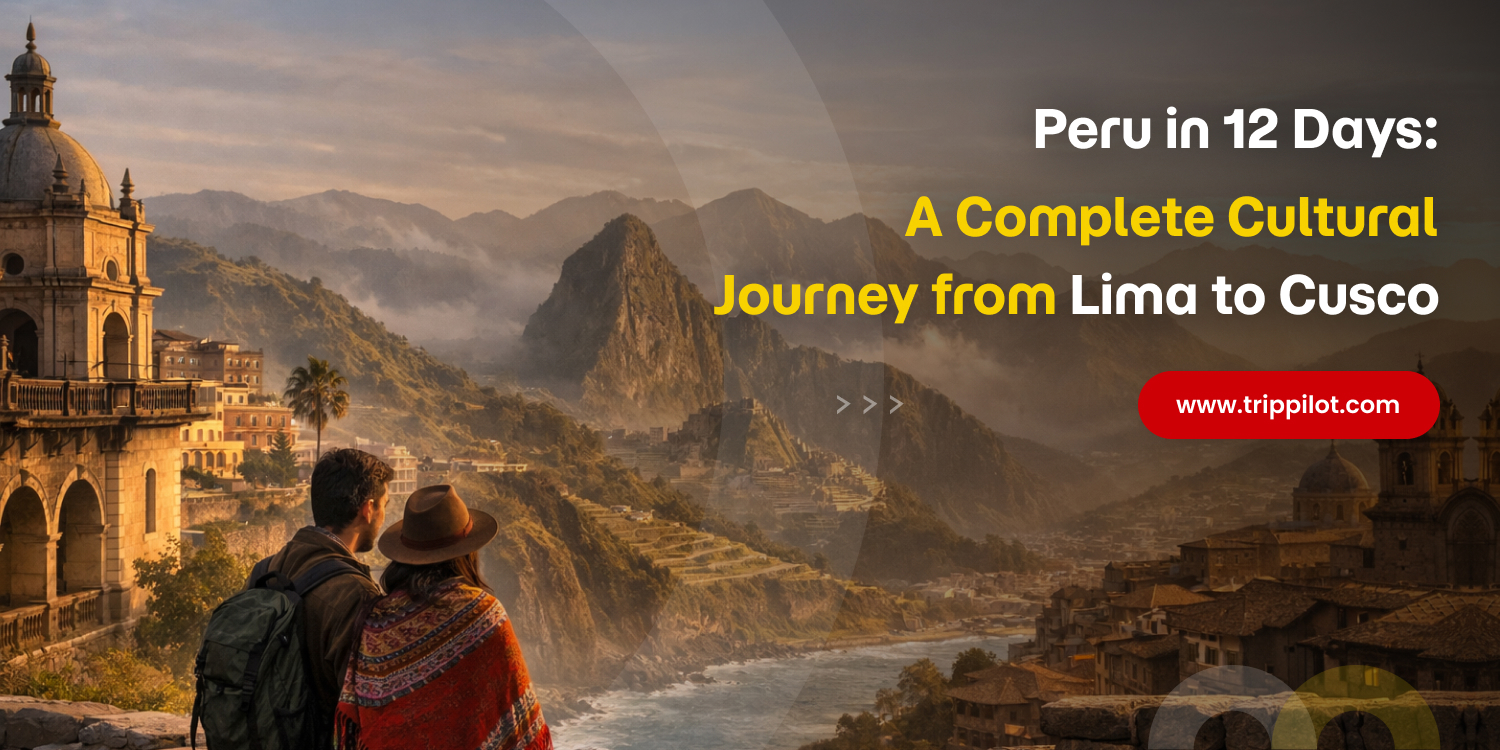
The Pacific breeze in Lima carries the scent of citrus and sea as a plate of freshly prepared ceviche lands on your table. Days later, thin mountain air fills your lungs as the first stone terraces of Machu Picchu emerge through drifting clouds. Peru has a way of shifting your senses coast to canyon, city to civilization, without ever losing its soul.
A journey like this demands more than a checklist. Distances are vast, altitudes change quickly, and each region carries its own rhythm, traditions, and unspoken rules. Planning Peru well means knowing when to slow down, where to linger, and how to move efficiently between worlds. That’s where TripPilot, an AI-powered travel planner, quietly transforms a complex route into a smooth, deeply personal journey, helping you experience Peru, not just visit it.
Key Takeaways
- Follow a balanced 12-day Peru itinerary covering Lima, Arequipa, Lake Titicaca, the Sacred Valley, Machu Picchu, and Cusco
- Experience Peru’s living culture through food, markets, homestays, and ancient ruins
- Learn how to manage altitude, transport, and timing like a seasoned traveler
- Discover practical local tips that save time, money, and energy
- Use TripPilot’s AI itinerary planning to customize routes, pacing, and experiences effortlessly
Table of Contents
A Complete Journey of Peru in 12 Days.
- Lima: Coastal Energy, Colonial Roots, and World-Class Cuisine.
- Arequipa: Volcanic Landscapes and Deep-Rooted Traditions.
- Lake Titicaca: High-Altitude Traditions That Endure.
- Sacred Valley: Engineering Genius and Living History.
- Machu Picchu: A Wonder Best Experienced Slowly.
- Cusco: Where Ancient Civilization Meets Modern Life.
A Complete Journey of Peru in 12 Days
Experience Peru in 12 unforgettable days, where ancient civilizations, vibrant culture, and breathtaking landscapes come together in perfect harmony. From Lima’s coastal charm and culinary heritage to the Sacred Valley’s living traditions and Cusco’s timeless history, each day reveals a deeper connection to the country’s soul. Thoughtfully paced and carefully planned, this journey allows you to explore iconic landmarks while embracing authentic local experiences. With a smart, well-structured itinerary guiding the way, travel feels effortless and immersive—letting you focus on discovery rather than logistics. In just 12 days, Peru leaves a lasting impression shaped by history, culture, and moments you’ll carry long after the journey ends.
Lima: Coastal Energy, Colonial Roots, and World-Class Cuisine
Lima is Peru’s vibrant cultural and culinary gateway, a city where deep-rooted history blends seamlessly with one of the world’s most dynamic food scenes. Set along the Pacific coast, districts like Miraflores and Barranco captivate visitors with dramatic cliffside views, colorful streets, colonial-era mansions, and a lively mix of surf culture and contemporary art.
The historic center offers a striking contrast, showcasing Lima’s past as a powerful Spanish stronghold. Grand plazas, ornate cathedrals, and centuries-old monasteries reveal layers of colonial influence and architectural grandeur.
Yet Lima’s soul is best experienced through its cuisine. From the freshness of ceviche to the smoky flavors of anticuchos, the comfort of causa, and the bold fusion of chifa, every dish reflects a rich cultural story. Indigenous traditions, African influences, and Asian migration come together on the plate, making Lima not just a destination, but a true feast for the senses.
Local Travel Tips
- Eat ceviche before 2 p.m. for peak freshness
- Walk the Malecón at sunset for ocean views and cool temperatures
- Use ride-hailing apps instead of street taxis
TripPilot groups attractions by neighborhood, recommends food experiences based on preferences, and builds time-efficient days that avoid Lima’s heavy traffic patterns.
Arequipa: Volcanic Landscapes and Deep-Rooted Traditions
Framed by dramatic volcanoes, Arequipa reveals a calmer, more traditional side of Peru. Known as “The White City,” it takes its name from the gleaming sillar stone used in its colonial-era architecture, which shines under near-constant sunshine. The city’s historic charm is best explored through its elegant plazas, churches, and preserved streets that reflect centuries of heritage.
One of Arequipa’s most iconic landmarks is the Santa Catalina Monastery, a colorful labyrinth of courtyards, narrow alleys, and quiet cloisters that feels like a city within a city. Beyond the urban center, journeys to Colca Canyon offer unforgettable scenery, where majestic condors soar above one of the deepest canyons on Earth.
Arequipa’s culinary traditions are equally distinctive. Local picanterías proudly serve bold, regional dishes, preserving time-honored recipes that have been passed down through generations.
Local Travel Tips
- Spend your first afternoon resting to adjust to altitude
- Start Colca Canyon tours early for condor sightings
- Pack warm layers—temperatures drop quickly at night
AI travel planner schedules altitude-conscious pacing, compares flight vs. overnight bus options, and builds rest buffers automatically.
Lake Titicaca: High-Altitude Traditions That Endure
Sitting more than 3,800 meters above sea level, Lake Titicaca feels elevated in every sense, both physically and culturally. From the lakeside city of Puno, travelers set out across vast, shimmering waters that have supported ancient Andean communities for generations. The lake’s quiet beauty is matched by the depth of tradition found on its islands.
The floating Uros Islands highlight extraordinary ingenuity, built entirely from layers of totora reeds that are continually renewed. Visiting Taquile Island offers a deeper look into communal life guided by long-held customs, shared responsibilities, and world-renowned textile craftsmanship. Daily life here follows rhythms shaped by cooperation and heritage rather than modern speed.
For those seeking meaningful connections, overnight homestays provide an authentic cultural experience. Sharing meals, stories, and daily routines with local families offers rare insight into traditions that have endured for centuries.
Local Travel Tips
- Bring sunscreen—UV exposure is strong at altitude
- Expect simple accommodations; cultural exchange is the highlight
- Carry small cash for handmade textiles
Custom travel itinerary flags altitude risks, recommends ethical community-based tours, and schedules travel to avoid fatigue-heavy days.
Sacred Valley: Engineering Genius and Living History
Descending into the Sacred Valley offers welcome relief from high altitudes while opening a window into the brilliance of Inca engineering. This fertile region is dotted with sweeping agricultural terraces, intricate salt pans, and strategically built fortress towns that highlight the sophistication of the civilization that once thrived here.
Sites such as Pisac captivate visitors with vibrant markets and impressive ruins set against dramatic mountain backdrops. Moray’s circular terraces reveal advanced agricultural experimentation, believed to be designed for crop adaptation through climate control. At Ollantaytambo, massive stone structures and fortified layouts showcase precise construction aligned with astronomy and natural landscapes.
Beyond its archaeological wonders, the Sacred Valley remains a living agricultural heartland. Local communities continue to farm the land using ancestral techniques, preserving customs that have endured for centuries and keeping the valley’s cultural heritage very much alive.
Local Travel Tips
- Visit ruins early to avoid tour crowds
- Respect photography rules in village markets
- Keep cash on hand for rural areas
Free vacation trip planner optimizes valley routes, aligns train schedules to Machu Picchu, and prevents unnecessary backtracking.
Machu Picchu: A Wonder Best Experienced Slowly
Machu Picchu is far more than an iconic image it is a place that invites quiet reflection and deeper understanding. Access to the site is carefully controlled through timed entry circuits, making advance planning essential for a smooth and rewarding visit. Exploring with a knowledgeable guide transforms the experience, revealing the site’s spiritual importance, agricultural ingenuity, and precise astronomical alignments that shaped Inca life.
Early morning visits are especially memorable. As the sun rises, mist slowly drifts away from the stone structures, uncovering terraces, temples, and pathways in stages. This gradual reveal creates a powerful sense of anticipation and awe, allowing visitors to appreciate the harmony between architecture and nature.
Rather than rushing for the perfect photograph, taking time to absorb the atmosphere brings greater meaning. Machu Picchu’s true impact lies in understanding its purpose, craftsmanship, and enduring connection to the surrounding mountains.
Local Travel Tips
- Book tickets and trains weeks in advance
- Follow assigned routes carefully
- Allow time to simply sit and absorb the surroundings
TripPilot tracks ticket availability, recommends optimal visit times, and synchronizes trains, buses, and entry slots seamlessly, and also shares things to do in Peru for travellers
Cusco: Where Ancient Civilization Meets Modern Life
Cusco is the emotional heart of any Peru journey. As the former capital of the Inca Empire, it remains a vibrant, living city where ancient Quechua traditions blend seamlessly with Spanish colonial architecture and a growing scene of modern cafés and galleries. Stone foundations from Inca times still support grand churches and historic streets, creating a powerful sense of continuity.
Visitors can explore the massive stone walls of Sacsayhuamán, stroll through colorful artisan markets, and spend relaxed evenings in lively plazas filled with music and conversation. Each neighborhood offers its own rhythm, from historic centers to creative corners.
Cusco is also one of the best places in Peru to shop for authentic souvenirs. High-quality alpaca textiles, woven scarves, and handmade crafts are available directly from local cooperatives, ensuring both quality and meaningful support for traditional artisans.
Local Travel Tips
- Walk slowly and hydrate often
- Shop ethically by asking about origins
- Evenings are vibrant but safe in central districts
Personal travel planner keeps the final days flexible, allowing space for rest, shopping, and spontaneous discoveries.
Frequently Asked Questions
Is 12 days enough for a first trip to Peru?
Yes. A well-planned 12-day itinerary allows travelers to experience Peru’s cultural highlights without rushing, especially when routes and pacing are optimized.
How can I reduce altitude sickness during my Peru trip?
Gradual ascent, hydration, rest days, and avoiding alcohol early on significantly reduce altitude-related symptoms.
What is the best month to visit Peru?
May through September offer dry weather and clear skies, while the shoulder months provide fewer crowds and better prices.
Is Peru safe for solo or international travelers?
Peru is generally safe in tourist regions. Staying alert, using licensed transport, and following local advice ensures a smooth journey.
Do I need a travel agent to plan Peru?
No. With an AI travel planner like TripPilot, travelers can build expert-level itineraries without agency costs.
Conclusion
Peru leaves a lasting impression not just through grand sights, but through meaningful moments, shared meals rich in tradition, ancient stone cities echoing history, and landscapes shaped by centuries of belief and resilience. A thoughtfully planned 12-day journey from Lima to Cusco strikes the perfect balance between exploration and reflection, allowing travelers to experience Peru beyond the surface.
From the coastal flavors and cultural energy of Lima to the Sacred Valley’s timeless villages and the spiritual heights of Cusco, each stop adds a new layer to the story. When guided by a well-structured itinerary and supported by smart travel planning tools, navigating Peru feels seamless rather than overwhelming. Travel becomes less about logistics and more about immersion, connecting with local culture, understanding ancient civilizations, and moving at a pace that feels intentional.
With the right preparation, Peru transforms into a destination that is easy to explore yet impossible to forget, leaving travelers with memories rooted in connection, discovery, and lasting wonder.
Share


Search Blogs
Categories
Recent Posts





Subscribe to our Newsletter!
Related Post

 Travel
4 Perfect Days in Dublin: The Ultimate First-Time Visitor Itinerary
 Travel
The Perfect 6-Day Mauritius Itinerary: Port Louis to Curepipe
 Travel
Plan a 6-Day Trip from Brisbane to Toowoomba: The Ultimate Queensland Itinerary
 Travel
Ultimate 14-Day Scandinavia Road Trip
 Travel
The Perfect 10-Day Uruguay Road Trip: Montevideo to Rocha
 Travel
Ultimate 9-Day Czech Republic Itinerary: From Prague to Ostrava
 Travel
5-Day Bangkok Itinerary: Best Things to Do
 Travel
The Ultimate 3-Day Phu Quoc Itinerary
 Travel
A Journey to the Gulf of Alaska: Discover Where Two Oceans Meet
 Travel
7-Day Lakshadweep Itinerary: Explore Agatti to Minicoy Island Paradise'
_900x450.jpg) Travel
Travel
Sri Lanka Travel Itinerary: The Best Places to Visit in Two Weeks
 Travel
10 Offbeat Things To Do In Belgium
_900x450.jpg) Travel
Travel
Best of Belgium in 7 Days: The Ultimate One-Week Travel Itinerary
_900x450.jpg) Travel
Travel
Plan Your Antarctica Trip 2026: Best Tours, Itineraries & Expert Tips
 Travel
4-Day Maldives Itinerary: Resorts, Budget & Travel Tips
 Travel
How to Plan a Trip to Argentina: Ultimate Travel Guide for First-Time Visitors
 Travel
How to Plan a Singapore Trip: 5-Day Itinerary for First-Time Travelers
 Travel
Top Places to Visit in Vietnam
 Travel
Plan the Perfect Leh Road Trip: Routes, Tips & Hidden Gems
 Travel
Perfect 10-Day Morocco Itinerary: Explore Casablanca, Marrakech & Essaouira
 Travel
Discover Colombia’s Lost City Trek: Ultimate Itinerary & Travel Tips
 Travel
Best Things to Do in Ludington in Summer: A Michigan Travel Guide
_900x450.jpg) Travel
Travel
From Beaches to Bushlands: Fall in Love with Australia
_900x450.jpg) Travel
Travel
Discover Edinburgh City Break Itinerary: 2–4 Day Travel Guide
_900x450.jpg) Travel
Travel
Plan the Perfect 10-Day Turkey Adventure: Istanbul to Cappadocia
 Travel
6-Day Varanasi to Lucknow Itinerary: The Perfect Uttar Pradesh Travel Plan
 Travel
Top 10 Beaches in Brazil for the Ultimate Exotic Beach Vacation
 Travel
A Perfect 10-Day Brazil Itinerary: From Rio to the Amazon
 Travel
The 10 Best Places to vist in Ghana
 Travel
How to Plan a 7-Day Calgary to Jasper Itinerary
 Travel
The Ultimate 6-Day Iceland Itinerary: Waterfalls, Glaciers & Northern Lights
 Travel
Stockholm City Break: A Perfect Short Escape in Sweden
 Travel
A 10-Day Coastal Sweden Itinerary: From Stockholm to Malmö
 Travel
Best National Parks to Visit in Europe
_900x450.jpg) Travel
Travel
AI Travel: What are the Pros and Cons for Travelers?
 Travel
9-Days Las Vegas to Los Angeles Itinerary: The Perfect Southwest Road Trip
 Travel
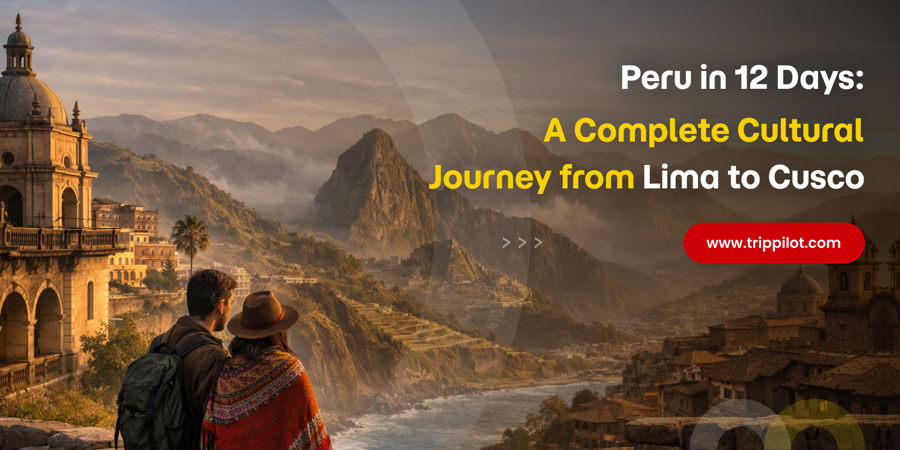
Peru in 12 Days: A Complete Cultural Journey from Lima to Cusco
 Travel
7-Day Uttarakhand Itinerary: The Ultimate Travel Plan for Haridwar, Rishikesh & Mussoorie
 Travel
Ultimate 8-Day Australia Trip Plan: Sydney to Cairns
 Travel
Plan Your 8-Day New Zealand Trip: Auckland to Queenstown Route
 Travel
6 Days in Malaysia: A Perfect Itinerary Covering Kuala Lumpur, Penang & Langkawi
 Travel
Explore Australia in 6 Days: Adelaide to Melbourne Travel Guide
 Travel
10 Hidden Islands Of Greece You Must see
 Travel
Explore Macao in 8 Days
 Travel
How AI is Revolutionizing Travel Planning
 Travel
10 Days in Vietnam: North-to-South Travel Guide
 Travel
From Mar del Plata to Puerto Madryn: The Ultimate 9-Day Argentina Beach Getaway
 Travel
Explore Ontario in 6 Days: A Complete Road Trip Guide
 Travel
Explore Southern China in 6 Days: Complete Quanzhou to Hong Kong Itinerary
_900x450.jpg) Travel
Travel
Discover Corsica in 6 Days: Ajaccio to Bonifacio Trip Guide
 Travel
How to Explore South Africa in 9 Days: The Ultimate Safari, Cities & Coastlines Adventure
 Travel
Explore Egypt in 7 Days: From Cairo’s Wonders to Luxor’s Ancient Temples
_900x450.jpg) Travel
Travel
Explore France in 9 Days: From Paris to Nice
 Travel
Explore the Caribbean in 16 Days: Complete Miami to Havana Itinerary
 Travel
Your Perfect 6-Day Tokyo Plan
_900x450.jpg) Travel
Travel
9-Day Journey from Cambridge to Bristol: History, Culture & Scenic Stops
 Travel
Explore Alaska in 6 Days: From Anchorage to Juneau
 Travel
Plan Your 6 Days Travel from Quanzhou to Hong Kong
 Travel
Thailand in 9 Days: Perfect Phuket to Bangkok Travel Itinerary
 Travel
Explore the Garden Route: A Complete 9-Day Journey from Cape Town to Port Elizabeth
 Travel
Plan your Southeast Asia Escape: Singapore to Bangkok
_900x450.png) Travel
Travel
Explore Bali in 11 Days
 Travel
10-Day Spain Itinerary From Madrid to Zaragoza
 Travel
Explore Dubai to Sharjah in 9 Days
 Travel
London to Rome in 7 Days: A Customizable Journey Through Europe’s Most Iconic Cities
 Travel
Customize Your 6-Day Trip from San Francisco to New York
 Travel
Plan Your 8-Day Trip from San Francisco to Los Angeles
 Travel
Explore New York & Boston: A 5-Day Itinerary You Can Customize from Anywhere
 Travel
The Ultimate Guide to Travel Types
 Travel